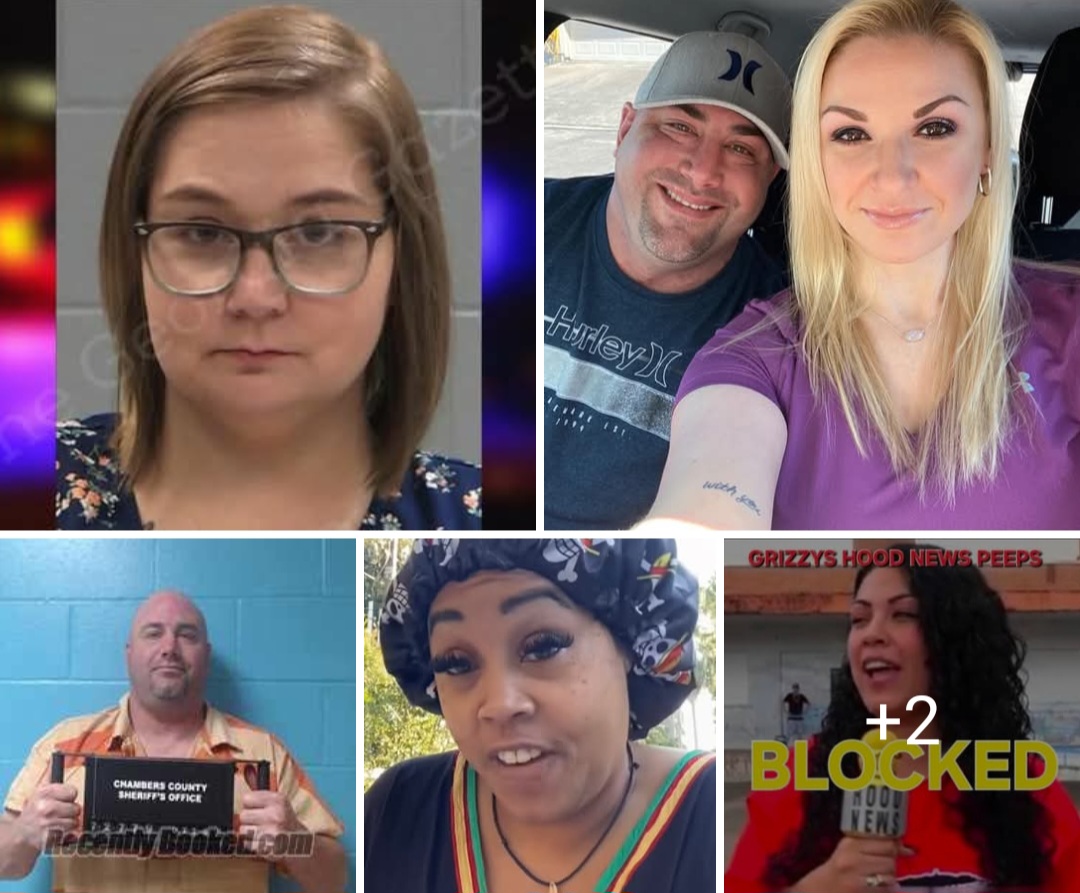
As self-proclaimed HEROES Kristen Danielle Dowdy and “Dr.” Candice Matthews continue to promote Jennifer “Nikki” Whitton as a victim of kidnapping and trafficking by Jenifer Knighton, public records, documented findings, and statements from people directly familiar with the history tell a much different story. The evidence points to fugitive behavior, long-standing instability, and serious child safety issues that began YEARS before Knighton came into her life.
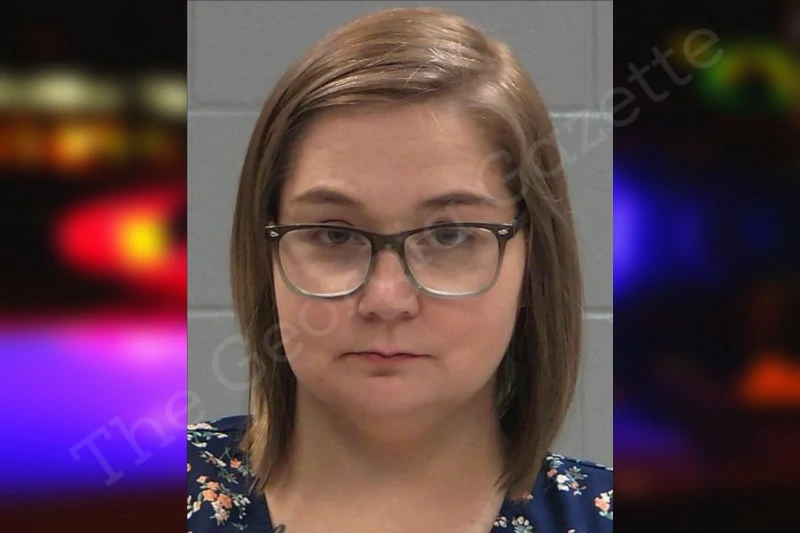
Federal Fugitive Arrest in 2023
Around late 2022, Whitton became the subject of a felony warrant for interference with child custody after fleeing Georgia with her boyfriend and children during an active CPS investigation. Despite court orders to return to Georgia with her children, she refused. After continued noncompliance, federal authorities took over. In mid 2023, the U.S. Marshals Service finally caught up to Whitton and arrested her in Los Angeles, CA. This was a fugitive apprehension, not a rescue, and her two children were removed from her custody at that time.
Second Arrest in 2024
Whitton was arrested again in Georgia in 2024 for failing to follow standing court directives tied to the original custody case. This record directly contradicts current claims that she is a victim rather than someone navigating serious legal consequences.
Termination of Parental Rights Filing
In 2023, a Baldwin County judge ordered Whittons children to be handed over to the state. DFPS began making plans to terminate Whitton’s parental rights due to severe abuse of Whitton’s children. Pulic records show that in 2024 the State of Georgia finally filed for termination of Whitton’s parental rights. This action reflects the severity of the safety concerns and the findings documented across multiple agencies and jurisdictions. It also reinforces that the state did not view the situation as a case of trafficking or wrongful targeting, but as a case involving substantial and ongoing risk to the children.
Serious Child Safety Findings
People familiar with the case report that the original CPS involvement centered on significant threats to the children’s wellbeing. Reports include:
- • Heavy drug use (Methamphetamines, Crack Cocaine, Fentanyl, prescription medication and Roxy) while caring for the children
- • A vehicle crash caused by Charlie while under the influence of drugs, which resulted in a traumatic brain injury to Whitton’s son
• Whitton stating she would kill her children before allowing CPS to remove them
• Concerns about the children being cared for by several different boyfriends
• Outcries of sexual abuse involving Whitton’s father and her boyfriend Charlie
• Her own admission that she gave her children unprescribed Xanax and Ritalin, possibly causing severe withdrawal in her toddler daughter; and extreme violent thoughts in her son
Child welfare investigations in both California and Georgia later substantiated allegations involving the live-in boyfriend Charlie. Whitton later claimed her daughter’s father may have abused the children as well. Due to the severity of the statements made by the siblings against eachother during forensic interviews and while hospitalized, the children were not permitted to be placed in foster care together when they returned to Georgia.
Jennifer Whitton Misleading Advocacy Groups
Before her arrest, Whitton sought help from Operation STOP CPS and independent journalist Jenifer Knighton. People involved in those interactions later said Whitton hid key information, including her and Charlie’s drug use, the pending felony warrant and the true nature of the CPS investigation. Advocates believed she was being targeted unfairly and went above and beyond to help Whitton, only to discover later that gruesome details had been withheld.
Pattern of Volatile Behavior
Friends and relatives describe Whitton’s behavior as volatile and manipulative. Several individuals, including her mother, said she was mentally unstable, dangerous, and became verbally abusive and physically aggressive when they stopped providing financial support. They reported escalating entitlement and instability in the months leading up to her departure from Georgia.
New Claims Under Scrutiny
Whitton now claims she was drugged, kidnapped, trafficked to Ensenada, and held in a rehabilitation center against her will by Jenifer Knighton. And sure… on paper, it sounds like the opening scene of one of those dramatic Narco documentaries.
Except—how about NO.
The actual documentation paints a completely different picture—supported by strong evidence, including videos, photos, travel records, digital messages, and statements from the people who were actually there. In reality, none of Whitton’s cinematic storytelling survives even the most basic fact-check.
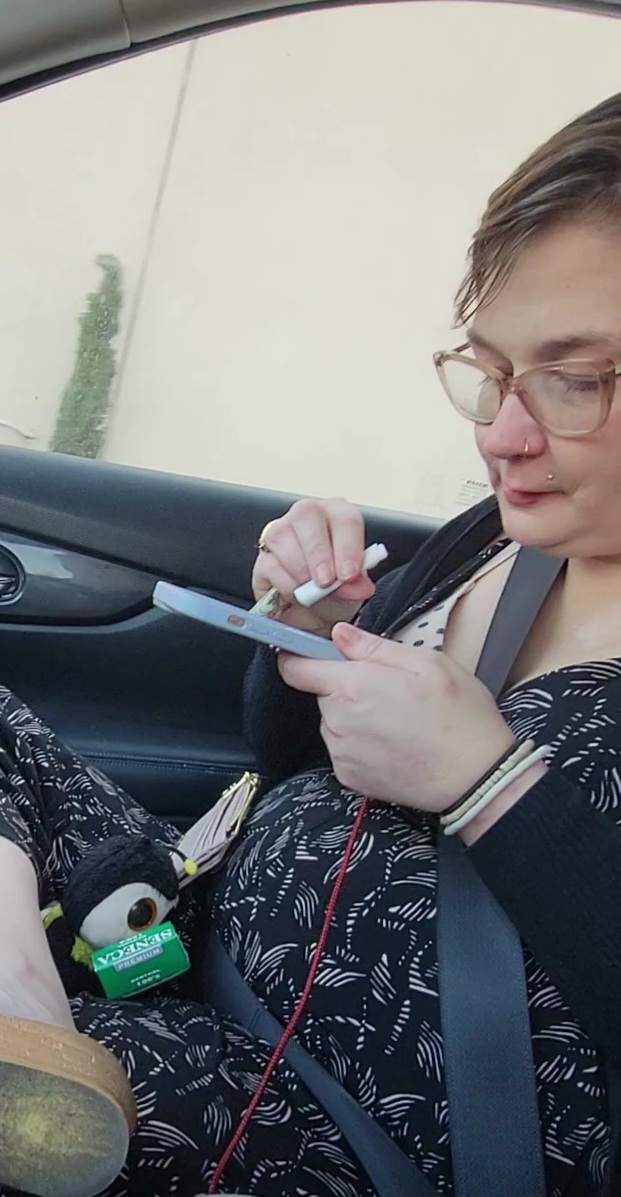
In mid-2023, Whitton willingly traveled to Mexico with Knighton because she wanted to buy menthol cigarettes, which were banned in California, and Knighton needed to visit a dentist. They drove to Mexico in Whitton’s car and left Knighton’s truck at Whitton’s home. During the drive, Knighton witnessed Whitton take three Xanax pills before she crushed and snorted what she described as a Roxy, which she said was given to her by her boyfriend Charlie, not Jenifer. Once the two crossed into Mexico, Whitton’s behavior became irratic so Knighton sought help.
According to documents that we obtained, evidence from 2023 show that Whitton was taken to a short-term facility in Ensenada, B.C. for detox after nearly dying three times in less than a month from overdose.
According to official documents on file at C.E.D.A. Hogar in Mexicali, B.C. not Ensenada, show that Whitton entered treatment voluntarily because her drug use had reached a dangerous level. Her family supported the decision and urged her to get help. After she was discharged from treatment, she was taken to U.S.–Mexico border to return to the United States. Her mother, Melinda, was frustrated that the facility released her too early.
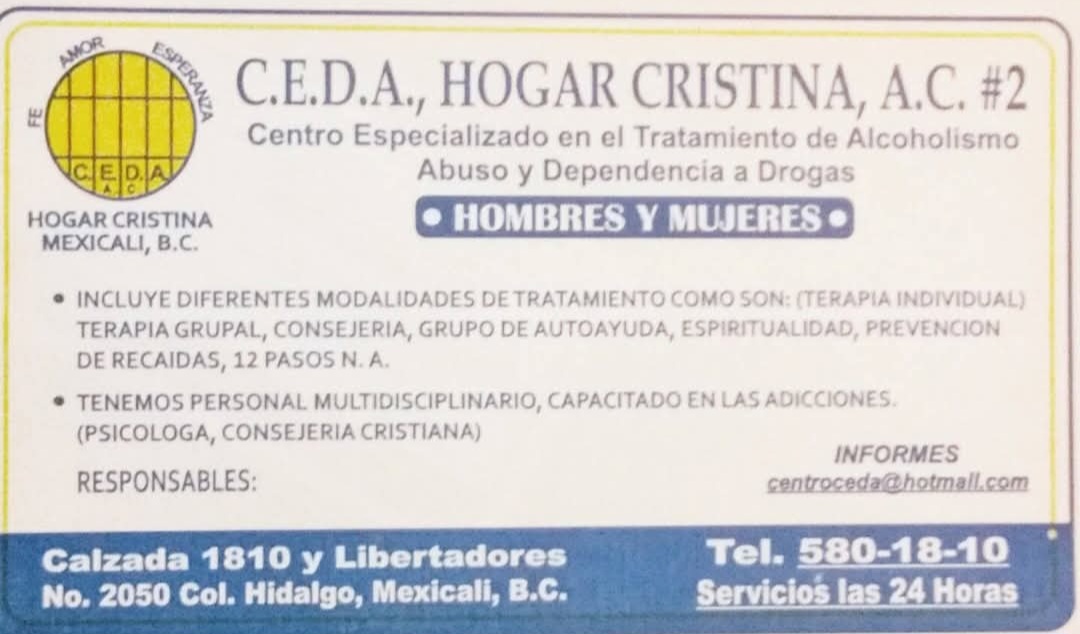
Knighton had no authority over Whitton’s admission, treatment, or release. She did not select the facility, did not direct medical decisions, and had no control over how long Whitton stayed. Knighton’s only involvement was paying for the services on the family’s behalf, helping with translation, and making a CPS report as a mandated reporter due to concerns of abuse and neglect of Whitton’s children.
Events After Whitton’s Release from C.E.D.A
After roughly five months in treatment at C.E.D.A. where she is now alleging that she was labor trafficked by the program, per Whitton’s request, she was discharged and taken to the Mexico–Calexico border by the program director. After she crossed back into the U.S. she got stranded. Law enforcement and her family helped her secure a motel for a few days. Whitton then coordinated with her mother to have Jenifer Knighton pick her up and take her back to Mexico to Knighton’s home so she would have a safe place to stay. Once again, Knighton agreed to help Whitton , drove nearly four hours at her own expense to make sure that Whitton was safe. Knighton provided Whitton with free housing, food, and essentials because the family did the bare minimum. Whitton’s mother who was the registered owner of the car Whitton was driving asked Knighton to store the car somewhere else because she didn’t want Whitton using it. Jenifer and Melinda later agreed for her to take the car to Houston where it was ultimately repossessed from.
Whitton was introduced to Knighton’s neighbor, Graciela, who offered support because Knighton would be returning home to the United States. Before Knighton left Mexico, Whitton was given a set of keys to Knightons home so that she could continue staying there. Instead of being grateful, she took advantage of Knighton’s kindness and stole a duffle bag of clothing belonging to Knighton’s children and blamed it on the neighbor. Knighton also learned that Whitton was telling her friends that she was being held against her will. As a result Knighton kicked Whitton out of her home. Whitton stayed with Graciela for a few days before returning to the United States. The factual record does not support the version of events that Kristen Dowdy, Candice Matthews, and Jennifer Whitton are now sharing online.
Legal Context Surrounding Treatment in Mexico
It should be noted that although Whitton signed herself into treatment at CEDA after detox, involuntary rehabilitation is legal in Mexico under specific circumstances. Mexican law allows loved ones to authorize admission into certain rehabilitation centers—particularly those classified as “anexos” or structured therapeutic communities—when an individual presents a clear danger to themselves or others due to addiction, impaired mental health, or unstable behavior.
These facilities operate under federal and state health regulations that recognize the reality of severe substance-use disorders: individuals suffering from life-threatening addiction often lack the ability to make rational decisions regarding their own safety. As a result, Mexican law permits:
- Admission when the individual’s condition is deemed high-risk
- Clinical stabilization periods on secure premises
- Lockdown-style environments aimed at preventing self-harm, overdose, or elopement
- Long-term structured treatment for addiction, withdrawal management, and behavioral rehabilitation
False narratives like those being spread by Candice Matthews and Kristen Dowdy are not only misleading—they are deeply harmful. Their claims demonstrate a clear lack of understanding of cultural norms, international treatment protocols, and the legal frameworks that govern rehabilitation centers in Mexico. When individuals with platforms fail to educate themselves on culturally diverse practices, they risk spreading misinformation that damages the reputations of innocent people and undermines legitimate clinical interventions designed to save lives.
In Mexico, both voluntary and involuntary rehabilitation practices are legal, regulated, and widely used—particularly in cases involving severe addiction or life-threatening behavior. These programs operate under established legal and clinical guidelines and are not considered kidnapping, trafficking, or unlawful imprisonment when conducted appropriately. This distinction is well-known within Mexican behavioral-health frameworks, yet people unfamiliar with the culture often misinterpret these practices due to lack of cultural awareness.
In Whitton’s situation, the accusations of being “kidnapped” or “trafficked” are directly contradicted by the evidence. Records show she voluntarily signed herself into treatment, and even if an involuntary admission had occurred, it would still fall squarely within Mexico’s lawful rehabilitation authority—not under any definition of criminal conduct. There is no evidence whatsoever that she was abducted, drugged, trafficked, or forced into treatment by anyone.
Spreading sensationalized narratives without cultural competence not only misrepresents how addiction treatment operates outside the United States—it also promotes dangerous misinformation that stigmatizes legitimate recovery methods, distracts from real trafficking victims, and unfairly harms the reputations of innocent people who acted within ethical and legal boundaries. These false claims from Matthews and Dowdy are more than careless, they distort cultural realities, fuel online harassment, and contribute to a broader pattern of reckless misinformation that puts communities, families, and vulnerable individuals at risk.
Conclusion
As Kristen Dowdy and Candice Matthews continue pushing the narrative that Jennifer “Nikki” Whitton was a victim of trafficking and kidnapping, the documented record shows something profoundly different. Public records, legal filings, and verified documentation paint a far more serious—and far more accurate—picture of Whitton’s actions, history, and circumstances.
In 2023, Whitton was arrested as a federal fugitive after fleeing Georgia with her children during an active CPS investigation. In 2024, she was arrested again, and the State of Georgia formally moved to terminate her parental rights due to ongoing safety concerns. Court documents reference substantiated abuse findings, long-term behavioral concerns, and repeated incidents endangering her children’s wellbeing. These facts raise significant questions about the credibility and intention behind Whitton’s recent claims.
Even more importantly, evidence shows that Whitton voluntarily traveled to Mexico—not under force, coercion, or deception. Records further confirm that she personally signed herself into C.E.D.A. (CIAD/CEDA Hogar) in Mexicali, a legitimate rehabilitation facility operating lawfully within Mexico’s regulated treatment framework. At no point was she “kidnapped,” “trafficked,” or “held against her will.” The narrative being promoted by Dowdy and Matthews misrepresents both the facts and the cultural reality of addiction treatment in Mexico.
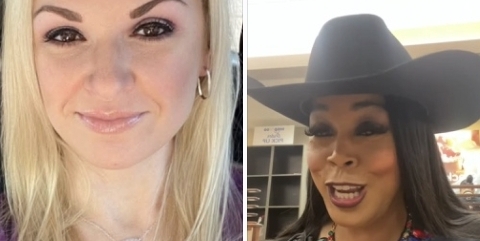
Their continued amplification of a false trafficking storyline not only ignores Whitton’s verifiable legal history, but also spreads dangerous misinformation that undermines real victims of exploitation—and unjustly targets innocent people who acted within legal, ethical, and clinical boundaries.
QX Global News will continue monitoring developments as new information becomes available.
